
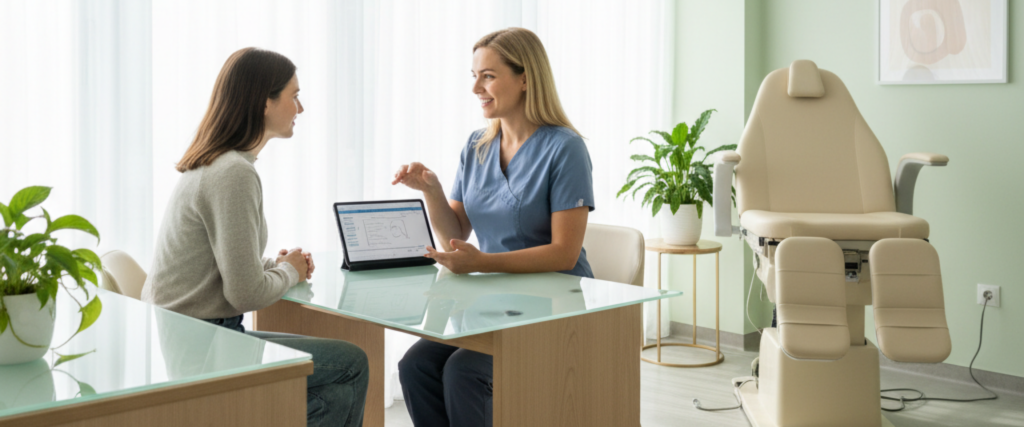
For many women, the idea of a first gynaecologist appointment can bring a mix of emotions – perhaps a little apprehension, curiosity, or simply a desire for reliable health information. It’s a significant step in taking taking charge of your reproductive health, and it’s entirely normal to have questions about what to expect.
At Dr Nader Bakhit’s clinic in Gregory Hills, we understand these feelings. Our goal is to create a welcoming, supportive, and informative environment for every patient, especially during your initial visit. This comprehensive guide is designed to demystify the process, explain what happens during your first gynaecologist appointment, and help you feel confident and prepared.
Whether you’re considering a routine check-up, have specific concerns about your menstrual cycle, or are thinking about family planning, understanding what lies ahead can ease any worries. Let’s explore everything you need to know about your first gynaecological consultation in Gregory Hills.
What is a Gynaecologist and Why Do I Need One?
A gynaecologist is a medical specialist focused on women’s reproductive health. This includes the uterus, ovaries, fallopian tubes, and breasts. Their expertise covers everything from puberty through to menopause and beyond, encompassing preventative care, diagnosis, and treatment of various conditions.
Many women in Gregory Hills and surrounding areas like Liverpool and Campbelltown choose to see a gynaecologist for routine check-ups, much like they would a GP for general health. These visits are crucial for maintaining long-term health and catching potential issues early. Dr Nader Bakhit provides compassionate and expert care tailored to your individual needs in Gregory Hills. For more comprehensive information on women’s health services, you can visit our page on Gynaecology in Gregory Hills.
Beyond Annual Check-ups: When Specialised Care is Essential
While routine preventative care is a cornerstone of gynaecological health, a specialist also plays a vital role in addressing specific concerns. These can range from common issues like irregular periods or contraception advice to more complex conditions such as endometriosis, fibroids, or fertility challenges.
Seeking specialised care ensures you receive accurate diagnoses and the most effective, up-to-date treatment options available. Dr Nader Bakhit is dedicated to providing comprehensive gynaecological services, ensuring every patient feels heard, understood, and confident in their healthcare journey. For further details on Dr Bakhit’s practice, explore Gynaecologist Gregory Hills: Expert Women’s Health by Dr Nader Bakhit.
When Should You Book Your First Gynaecologist Appointment?
There’s no single “right” age for a first gynaecologist appointment, as individual needs vary. However, there are general guidelines and specific circumstances that often prompt a visit. Many women choose to have their first appointment in their late teens or early twenties, often when they become sexually active, or when they start considering contraception.
It’s also common to book an appointment if you’re experiencing new or unusual symptoms, such as persistent pelvic pain, very heavy or irregular periods, or unexplained discharge. Even if you feel perfectly healthy, a preventative check-up can establish a baseline for your health and provide an opportunity to discuss any future concerns.
Key Milestones for Gynaecological Care
Several life stages and health considerations make a gynaecologist visit particularly relevant:
- Puberty and Adolescence: For discussions around menstrual cycles, pain, hygiene, and early sexual health education.
- Initiating Contraception: To explore various birth control options and find the most suitable method for your lifestyle and health.
- Pre-Pregnancy Planning: For advice on optimising health before conception and understanding your fertility.
- Sexual Health Concerns: Including STI screening, advice on safe practices, and managing any related symptoms.
- Persistent Symptoms: Such as chronic pelvic pain, unusual bleeding, discomfort during intercourse, or concerns about breast health. For more information on when to seek help, refer to Common Gynaecological Issues Women Should Never Ignore.
- Menopausal Transition: To discuss symptoms, hormone therapy options, and bone health.
Remember, open communication with a trusted specialist like Dr Nader Bakhit in Gregory Hills is paramount to proactive health management.
Preparing for Your Visit: What to Bring and Consider
Feeling prepared can significantly reduce any anxiety you might have about your first gynaecologist appointment. Taking a few simple steps beforehand ensures you make the most of your time with Dr Nader Bakhit and receive the most accurate and helpful advice.
Gathering Your Medical History
Having a clear understanding of your personal and family medical history is incredibly helpful. This allows Dr Bakhit to get a comprehensive picture of your health. Consider bringing notes on:
- Past Medical Conditions: Any significant illnesses, surgeries, or ongoing health issues.
- Medications: A list of all current medications, including over-the-counter drugs, supplements, and herbal remedies.
- Allergies: Any known allergies to medications or other substances.
- Menstrual History: Date of your last period, typical cycle length, duration, flow, and any pain or irregularities.
- Sexual History: If applicable, information about sexual activity, previous partners, and any past STIs.
- Family History: Any history of gynaecological cancers (breast, ovarian, uterine) or other significant reproductive health conditions in your immediate family.
Questions to Ask Your Gynaecologist
It’s easy to forget your questions once you’re in the consultation room. Writing them down beforehand ensures all your concerns are addressed. Common questions might include:
- What are the best contraception options for me?
- Is my menstrual cycle normal?
- What are the causes of my pelvic pain?
- When should I start having Pap tests?
- What can I do to maintain good reproductive health?
Dr Nader Bakhit encourages an open dialogue, so feel empowered to ask anything that comes to mind. Your comfort and understanding are his priority. For more information on preventative care, consider reading about Finding a Trusted Gynaecologist in Liverpool, NSW.
What Happens During the Appointment?
Your first gynaecologist appointment typically begins with a discussion in a private consultation room. Dr Bakhit will review your medical history, discuss your reasons for visiting, and answer any initial questions you may have. This is a crucial time for open communication, allowing you to share any concerns or symptoms you’re experiencing.
The Physical Examination
Depending on your age, sexual activity, and specific concerns, a physical examination may be part of your first visit. Dr Bakhit will explain each step of the examination to ensure you feel comfortable and informed. This may include:
- General Health Check: Blood pressure, weight, and sometimes a breast examination.
- External Genital Examination: A visual inspection of the external genital area.
- Pelvic Examination (Internal Examination): This involves a speculum to gently open the vaginal walls to visualise the cervix, and a bimanual examination where two gloved fingers are inserted into the vagina while the other hand presses on the abdomen to check the uterus and ovaries. This examination is often performed for sexually active women or those experiencing specific symptoms.
- Pap Test (Cervical Screening Test): If you are aged 25 or over, a cervical screening test may be performed during the pelvic examination. This test checks for Human Papillomavirus (HPV), which can cause cervical changes.
Dr Bakhit will always discuss the necessity and details of any examination with you beforehand. You have the right to ask questions and understand why each step is being performed.
Discussion of Results and Next Steps
After the examination, Dr Bakhit will discuss his findings with you. He will explain any diagnoses, recommend further tests if needed, and outline potential treatment options. This is also an opportunity to discuss lifestyle advice, contraception, fertility, or any other reproductive health topics relevant to you.
You will receive clear instructions for any follow-up appointments, prescriptions, or referrals. Our team is always available to clarify any information or answer additional questions after your visit.
Common Reasons for a First Gynaecologist Visit
While many first visits are for routine preventative care, several specific reasons often prompt women to seek gynaecological advice:
- Contraception: Discussing and choosing suitable birth control methods.
- Menstrual Irregularities: Addressing heavy, painful, or irregular periods.
- Pelvic Pain: Investigating causes of discomfort in the lower abdomen.
- STI Screening and Prevention: For sexually active individuals.
- Pre-Pregnancy Counselling: Optimising health before conception.
- Concerns about Discharge or Odour: Addressing vaginal health issues.
- Pap Test (Cervical Screening Test): Commencing routine screening from age 25.
No concern is too small or insignificant. Dr Nader Bakhit provides a confidential and professional environment for all discussions related to women’s health. If you are experiencing symptoms such as those associated with endometriosis, our page on Understanding Endometriosis Symptoms & When to See a Gynaecologist in Gregory Hills may be helpful.
Choosing Dr Nader Bakhit for Your Gynaecological Care in Gregory Hills
Dr Nader Bakhit is an experienced gynaecologist dedicated to providing comprehensive and compassionate care to women in Gregory Hills and the wider South-West Sydney region. With a focus on patient education and shared decision-making, he ensures that every woman feels empowered and informed about her health.
His practice is equipped to handle a wide range of gynaecological needs, from routine check-ups and preventative care to the diagnosis and management of complex conditions. Choosing Dr Bakhit means choosing a specialist who prioritises your comfort, privacy, and well-being.
We look forward to welcoming you to our clinic and supporting you on your health journey. To book your first gynaecologist appointment in Gregory Hills, please contact our friendly team today.