
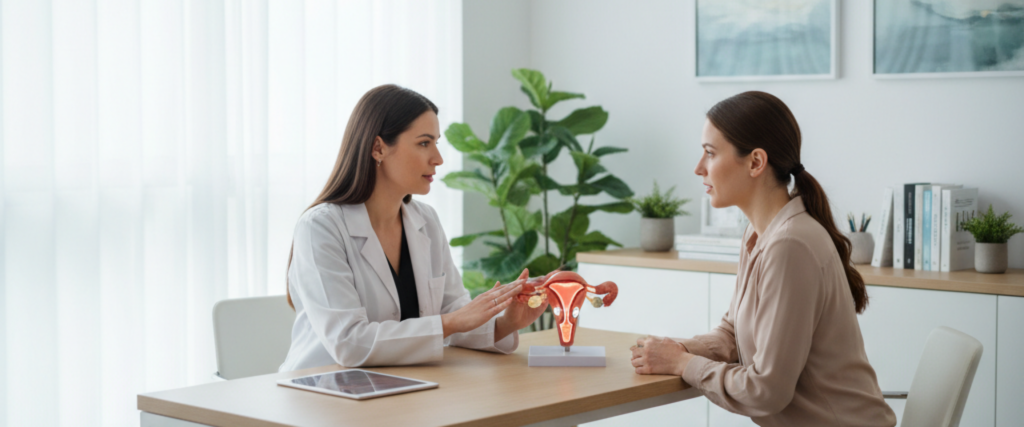
Key Takeaways
- Endometriosis is a common, chronic condition where tissue similar to the lining of the uterus grows outside it, causing significant pain and other symptoms.
- Key symptoms include severe pelvic pain, heavy and painful periods, pain during sex, and fertility difficulties, which should never be dismissed as “normal”.
- Early diagnosis and specialised care from a gynaecologist like Dr Nader Bakhit in Gregory Hills are crucial for effective management and improving quality of life.
Endometriosis is a condition that affects millions of women worldwide, yet it often remains misunderstood and underdiagnosed. For women in Gregory Hills and the surrounding south-west Sydney suburbs, experiencing chronic pelvic pain or unusual menstrual symptoms can be incredibly isolating and distressing. Understanding endometriosis, its diverse symptoms, and knowing when to seek expert medical advice is the first vital step towards finding relief and improving your quality of life.
At Dr Nader Bakhit’s practice in Gregory Hills, we are dedicated to providing compassionate, evidence-based care for women navigating gynaecological concerns, including endometriosis. This comprehensive guide aims to shed light on this complex condition, empowering you with the knowledge to recognise potential signs and understand the importance of specialist consultation.
What Exactly is Endometriosis?
Endometriosis is a chronic condition where tissue similar to the lining inside the uterus – known as the endometrium – grows outside of it. This misplaced tissue, called endometrial implants, can be found on organs like the ovaries, fallopian tubes, and the outer surface of the uterus. Less commonly, it can appear on the bowel, bladder, or even more distant sites.
Just like the uterine lining, these endometrial implants respond to hormonal changes during the menstrual cycle. They thicken, break down, and bleed each month. However, unlike menstrual blood from the uterus, this blood has no way to exit the body, leading to inflammation, pain, scar tissue formation, and sometimes the development of cysts called endometriomas.
The Impact of Ectopic Tissue
The presence of endometrial tissue outside the uterus can cause a range of problems. The chronic inflammation and internal bleeding can lead to the formation of adhesions, which are bands of scar tissue that can bind organs together. This can result in significant pain, organ dysfunction, and in some cases, infertility. The severity of symptoms doesn’t always correlate with the extent of the disease; even small implants can cause debilitating pain for some women.
How Common is Endometriosis in Australia?
Endometriosis is remarkably common, affecting approximately one in nine women and people assigned female at birth in Australia. Despite its prevalence, there’s often a significant delay in diagnosis, averaging around 6.5 years from symptom onset. This delay highlights the critical need for greater awareness among both the public and healthcare professionals, and accessible specialist care for women in areas like Gregory Hills.
Recognising the Common Endometriosis Symptoms
The symptoms of endometriosis are highly varied and can range from mild to severe, significantly impacting daily life. While menstrual pain is often dismissed as “normal,” persistent or debilitating pain, especially when it interferes with your activities, warrants investigation. Recognising these signs is key to seeking timely medical attention.
Pelvic Pain Beyond the Norm
Chronic pelvic pain is perhaps the most defining symptom of endometriosis. This pain can be constant or intermittent, occurring not just during your period but throughout the month. It might manifest as a deep, aching pain in the lower abdomen, back, or even down the legs. This pain is often described as much more intense and disruptive than typical menstrual cramps.
Heavy or Painful Periods (Dysmenorrhoea)
While some discomfort during menstruation is common, endometriosis often causes severe dysmenorrhoea. This means periods that are not just uncomfortable but excruciatingly painful, often requiring strong pain medication or forcing you to miss work or school. You might also experience exceptionally heavy bleeding (menorrhagia) or spotting between periods.
Pain During or After Sex (Dyspareunia)
Deep penetrative intercourse can be particularly painful for women with endometriosis, a symptom known as dyspareunia. This pain is often felt deep within the pelvis and can persist for hours after sexual activity. It’s an important symptom to discuss with your doctor, as it can significantly impact relationships and quality of life.
Bowel and Bladder Symptoms
If endometrial implants are present on or near the bowel or bladder, they can cause a range of gastrointestinal and urinary symptoms. These might include painful bowel movements, diarrhoea, constipation, or bloating, especially during your period. You might also experience painful urination (dysuria) or an increased urge to urinate.
Fertility Challenges
Endometriosis is a significant cause of infertility, affecting up to 50% of women with the condition. The presence of adhesions, inflammation, or endometriomas can distort pelvic anatomy, block fallopian tubes, or impair egg quality. If you’re trying to conceive and experiencing difficulties, endometriosis should be considered as a potential underlying factor.
Other Less Common Symptoms
Beyond the primary symptoms, endometriosis can also cause generalised fatigue, particularly around menstruation. Some women report persistent lower back pain, leg pain, or even shoulder pain if diaphragmatic endometriosis is present. It’s crucial to remember that symptoms vary greatly and any persistent, unexplained pain or discomfort should be investigated.
The average delay in diagnosing endometriosis in Australia is approximately 6.5 years. This highlights the urgent need for greater awareness and accessible specialist care to prevent prolonged suffering and progression of the disease.
When to See a Gynaecologist in Gregory Hills, NSW
If you recognise any of the symptoms described above, especially if they are persistent, severe, or impacting your daily activities, it’s crucial to seek professional medical advice. While your GP is an excellent first point of contact, a specialist gynaecologist offers the expertise necessary for accurate diagnosis and effective management of endometriosis.
Don’t Dismiss Your Pain
One of the biggest challenges in endometriosis diagnosis is the normalisation of women’s pain. Many women are told that severe period pain is “just part of being a woman” or “normal.” However, debilitating pain that forces you to miss work, school, or social events, or that isn’t relieved by over-the-counter pain medication, is not normal and deserves thorough investigation. Trust your instincts about your body.
The Role of a Specialist
A gynaecologist specialising in pelvic pain and endometriosis has the experience and knowledge to properly evaluate your symptoms, conduct appropriate examinations, and guide you through the diagnostic process. They can distinguish endometriosis from other conditions with similar symptoms, ensuring you receive the correct diagnosis and a tailored treatment plan. For women in Gregory Hills, Dr Nader Bakhit offers this specialised level of care.
The Diagnostic Journey: How Endometriosis is Confirmed
Diagnosing endometriosis can be a multi-step process, requiring a careful and thorough approach. It’s not always straightforward, but a dedicated gynaecologist will work with you to uncover the root cause of your symptoms. Here’s what the journey typically involves:
- Initial Consultation and Symptom Review: Your gynaecologist will start by taking a detailed medical history, asking about your symptoms, menstrual cycle, pain levels, and any impact on your daily life or fertility. This is a crucial step where open communication is vital.
- Physical Examination: A pelvic examination may be performed to check for tenderness, abnormalities, or the presence of endometriomas (endometriosis cysts) on the ovaries.
- Imaging Studies:
- Transvaginal Ultrasound: This is often the first line imaging technique. While it can detect endometriomas and deep infiltrating endometriosis in some cases, it cannot definitively rule out the condition as superficial implants are often not visible.
- MRI (Magnetic Resonance Imaging): An MRI can provide more detailed images of pelvic organs and may help identify deeper endometrial implants, especially in preparation for surgery.
- The Gold Standard: Laparoscopy: Currently, the only definitive way to diagnose endometriosis is through a minimally invasive surgical procedure called a laparoscopy. During this keyhole surgery, a gynaecologist inserts a thin, lighted tube (laparoscope) through a small incision in the abdomen to visually inspect the pelvic organs for endometrial implants. Biopsies of suspicious tissue can be taken for laboratory confirmation.
While non-surgical methods can suggest the presence of endometriosis, a laparoscopy allows for direct visualisation and often, immediate treatment by excising or ablating the implants during the same procedure.
Ready to take control of your gynaecological health?
Dr Nader Bakhit offers expert diagnosis and personalised care for endometriosis in Gregory Hills.
Managing Endometriosis: Treatment Options Available
There is no one-size-fits-all approach to treating endometriosis. Management plans are highly individualised, taking into account the severity of symptoms, the extent of the disease, your age, fertility goals, and personal preferences. The primary goals of treatment are to alleviate pain, reduce inflammation, and, where applicable, improve fertility.
Pain Management Strategies
Initial pain management often involves over-the-counter pain relievers like NSAIDs (non-steroidal anti-inflammatory drugs) such as ibuprofen. For more severe pain, your gynaecologist may prescribe stronger pain medication. Complementary therapies like heat packs, TENS machines, and physiotherapy can also be beneficial in managing chronic pain associated with endometriosis.
Hormonal Therapies
Hormonal treatments aim to suppress the growth and activity of endometrial implants by regulating or reducing the production of oestrogen. Options include:
- Combined Oral Contraceptives: Taking birth control pills continuously can stop periods, thereby reducing the monthly hormonal fluctuations that stimulate implant growth.
- Progestins: These can be delivered via pills, injections, or intrauterine devices (IUDs) and help to thin the endometrial lining and suppress implant growth.
- GnRH Analogues (Gonadotropin-releasing hormone analogues): These medications induce a temporary, reversible menopause, significantly reducing oestrogen levels and shrinking implants. They are typically used for a limited time due to potential side effects.
Surgical Intervention (Laparoscopic Excision)
For many women, surgery is a vital component of endometriosis management. The preferred surgical approach is laparoscopic excision, where a skilled surgeon meticulously cuts out and removes the endometrial implants. This differs from ablation, which burns the surface of the implants and may leave diseased tissue behind. Excision surgery aims to remove as much of the disease as possible while preserving fertility and minimising damage to surrounding organs.
In severe cases, or when fertility is no longer a concern, hysterectomy (removal of the uterus) and oophorectomy (removal of the ovaries) may be considered, though these are typically last-resort options and do not guarantee a cure for endometriosis, as implants can still exist elsewhere.
Lifestyle Adjustments
While not a cure, certain lifestyle changes can help manage symptoms and improve overall well-being. These can include dietary modifications (e.g., anti-inflammatory diets), regular exercise, stress reduction techniques, and ensuring adequate sleep. These adjustments should complement, not replace, medical and surgical treatments.
Living with Endometriosis: Support and Self-Care in Gregory Hills
Living with a chronic condition like endometriosis can be challenging, both physically and emotionally. Beyond medical treatments, building a strong support system and prioritising self-care are essential for managing the condition and maintaining a good quality of life. Dr Nader Bakhit and his team understand the holistic impact of endometriosis.
Building a Support Network
Connecting with others who understand what you’re going through can be incredibly beneficial. Look for local support groups in the Gregory Hills, Liverpool, or Campbelltown areas, or online communities. Sharing experiences, tips, and emotional support can reduce feelings of isolation and empower you in your journey. Don’t hesitate to involve your family and friends, educating them about your condition so they can offer informed support.
Prioritising Mental Well-being
The chronic pain and unpredictable nature of endometriosis can take a significant toll on mental health, often leading to anxiety, depression, and stress. It’s important to acknowledge these feelings and seek professional help if needed. Counselling, cognitive behavioural therapy (CBT), or mindfulness practices can provide valuable coping strategies and emotional support. Your gynaecologist can provide referrals to mental health professionals who understand chronic pain conditions.
Nutrition and Exercise
While specific dietary recommendations for endometriosis are still evolving, many women find relief by adopting an anti-inflammatory diet. This typically involves reducing processed foods, red meat, and excessive sugar, while increasing intake of fresh fruits, vegetables, whole grains, and omega-3 fatty acids. Regular, gentle exercise, such as walking, swimming, or yoga, can also help manage pain, improve mood, and reduce stress, without exacerbating symptoms. Listen to your body and find what works for you.
Frequently Asked Questions
Can endometriosis be cured?
Currently, there is no definitive cure for endometriosis. However, various treatments, including hormonal therapies, pain management, and surgical excision, can effectively manage symptoms, reduce disease progression, and significantly improve a woman’s quality of life. The goal is to control the condition and minimise its impact.
Does endometriosis always cause infertility?
No, not all women with endometriosis experience infertility. While endometriosis is a significant cause of fertility challenges, many women with the condition can still conceive naturally or with assistance. The impact on fertility depends on the severity and location of the endometrial implants. Discussing your fertility goals with your gynaecologist is important for personalised advice and treatment.
Is a laparoscopy always necessary for diagnosis?
A laparoscopy is currently the only definitive way to diagnose endometriosis by visualising and biopsying the implants. While imaging like ultrasound and MRI can suggest endometriosis, especially for endometriomas or deep infiltrating disease, they cannot definitively rule out or confirm all forms of the condition. Your gynaecologist will discuss whether a laparoscopy is the most appropriate next step based on your symptoms and findings.
Can endometriosis recur after surgery?
Yes, endometriosis can unfortunately recur even after successful surgery. The rate of recurrence varies and depends on factors such as the completeness of the initial excision, the stage of the disease, and whether ongoing hormonal therapy is used. Regular follow-up with your gynaecologist is crucial to monitor for new symptoms and manage any recurrence effectively.
What’s the difference between ablation and excision surgery?
Ablation involves burning or vaporising the surface of endometrial implants, which can leave diseased tissue behind. Excision, on the other hand, is a more thorough technique where the surgeon meticulously cuts out and removes the entire implant, including its deeper roots. Excision is generally considered more effective for long-term symptom relief and reducing recurrence rates, particularly for deeper forms of endometriosis.
Endometriosis is a challenging condition, but you don’t have to face it alone. Understanding your symptoms and seeking specialist care are crucial steps towards reclaiming your health and well-being. Dr Nader Bakhit is committed to providing expert, compassionate care to women in Gregory Hills and across south-west Sydney.
Visit Dr Nader Bakhit Today
If you’re experiencing symptoms of endometriosis or have concerns about your gynaecological health, Dr Nader Bakhit offers expert care from his practice in Gregory Hills.